
Welcome to week three.
You face water damage in Houston.
Act fast.
Protect your home now.
Water destroys walls.
Moisture breeds mold.
Trust Plus8 Designs for complete recovery.
Common Causes in Houston Homes
Houston weather brings severe risks.
Heavy rains cause floods.
Afternoon thunderstorms hit fast.
Wind-driven rain enters weak roofs.
Hurricanes push water into homes.
Storm surge can affect low areas.
Flash flooding backs water into garages.
Clogged gutters dump water by foundations.
That water finds small entry points.
High humidity traps moisture.
Moist air slows natural drying.
Hidden damp spots stay wet longer.
AC systems add another risk.
Condensation line clogs overflow suddenly.
Attic units can drip for days.
Drain pan failures stain ceilings.
Plumbing failures cause interior damage.
Old supply lines split without warning.
Loose fittings leak behind cabinets.
Water heater failures soak nearby rooms.
Toilet supply lines can burst overnight.
Refrigerator lines leak under flooring.
Dishwashers fail behind lower cabinets.
Washing machines overflow laundry rooms fast.
Houston homes also face slab leaks.
Those leaks hide below foundations.
Warm spots can signal trouble.
Flooring may buckle or lift.
Walls may show staining near baseboards.
Your water bill may jump.
Roof issues remain common too.
Missing shingles invite water inside.
Flashing failures soak wall cavities.
Skylights and vents often leak.
Small stains can mean bigger damage.
Check your property weekly.
Inspect ceilings and baseboards.
Watch around tubs and sinks.
Look behind appliances.
Test your AC drain line.
Clean gutters before major storms.
Spot leaks early.
Stop water quickly.
The Professional Restoration Process
Water demands professional intervention.
Hire a trusted home remodeling contractor houston immediately.
Follow this professional process:
-
Inspection and moisture mapping.
Start with a full inspection.
Check walls, floors, ceilings, cabinets, and trim.
Use moisture meters and thermal tools.
Trace where water traveled.
Separate clean water from contaminated water.
Identify safety issues first.
Watch for electrical risks.
Watch for structural weakness.
Build a room-by-room plan. -
Containment and site protection.
Control the affected area.
Block off damaged rooms.
Protect clean spaces nearby.
Use plastic barriers when needed.
Reduce cross-contamination.
Protect floors and furniture.
Create safe work paths. -
Water extraction.
Remove standing water fast.
Use pumps for deeper water.
Use extraction tools on carpet and pad.
Pull water from subfloors where possible.
Remove trapped water under cabinets.
Target low spots first.
Fast extraction limits swelling and warping. -
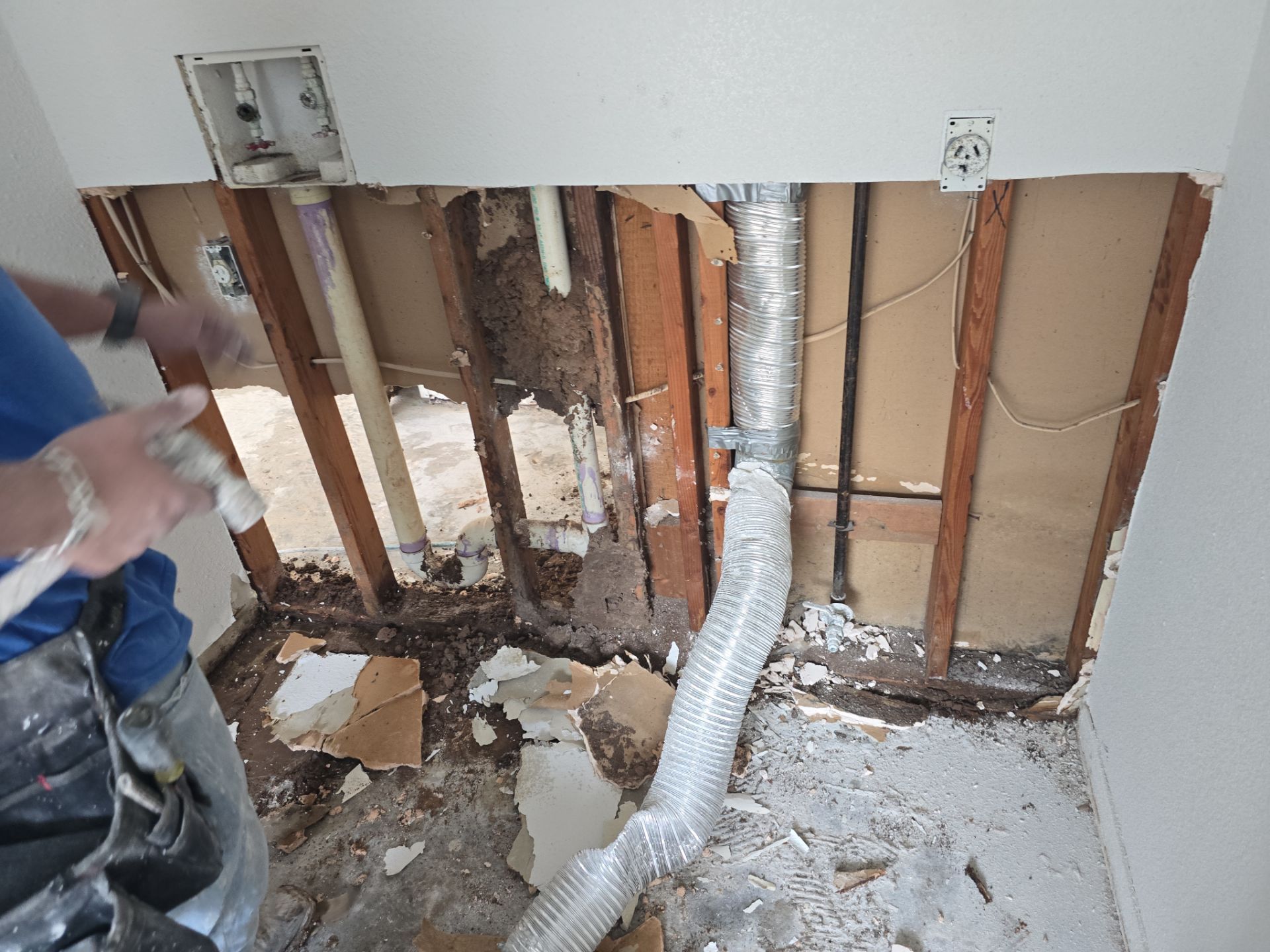
Demolition of unsalvageable materials.
Remove ruined drywall and insulation.
Pull damaged baseboards if needed.
Open wet wall cavities.
Take out soaked flooring materials.
Dispose of contaminated debris safely.
Keep demolition controlled and clean. -
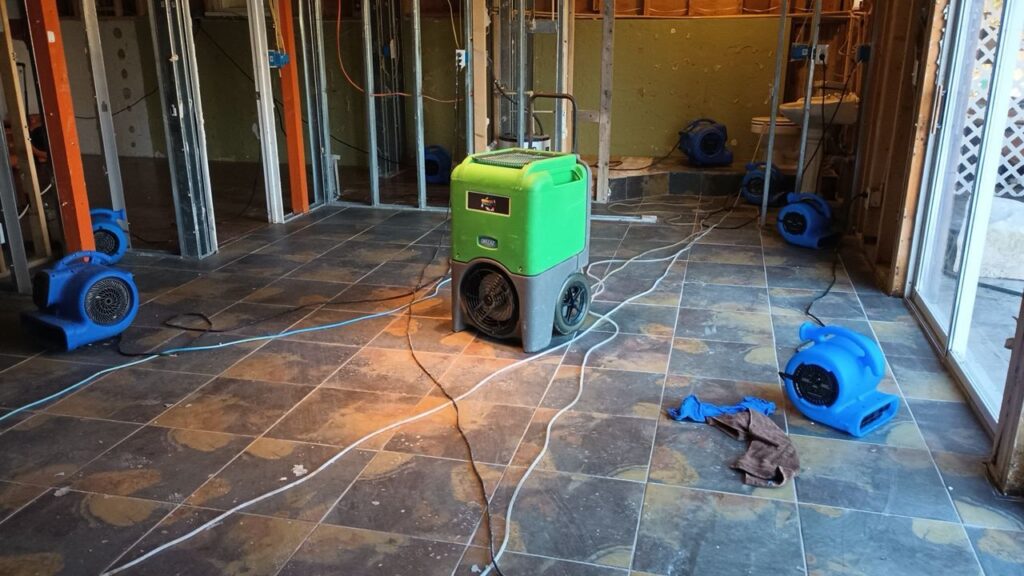
Structural drying and dehumidification.
Set industrial air movers.
Run heavy-duty dehumidifiers.
Dry framing, subfloors, and wall cavities.
Aim airflow into hidden spaces.
Adjust equipment as readings change.
Account for Houston humidity.
Drying often takes several days.
Rushing this phase causes future problems. -
Daily monitoring.
Monitor moisture levels daily.
Record readings from each area.
Compare progress room by room.
Move equipment when needed.
Keep drying until materials hit target levels.
Do not stop when surfaces feel dry.
Hidden moisture matters most. -
Cleaning and sanitizing.
Clean affected surfaces thoroughly.
Apply antimicrobial treatment where needed.
Address odors at the source.
Treat framing and hard surfaces.
Prepare the space for rebuilding. -
Restoration and rebuild.
Replace drywall, trim, insulation, and finishes.
Reinstall materials in proper order.
Match textures where possible.
Prime and paint repaired surfaces.
Return the room to normal use.
Professional water damage restoration houston saves structures.
Do not delay extraction.
Dry every cavity.
Finish the rebuild correctly.
Dealing With Mold After Water Damage

Mold grows within hours.
Humidity accelerates spores.
Houston conditions make growth worse.
Warm air feeds damp spaces.
Closed homes trap moisture inside.
Health hazards rise rapidly.
Mold can trigger allergies.
It can irritate eyes and skin.
It can worsen asthma symptoms.
It can cause coughing and congestion.
Sensitive people may react faster.
Children and older adults face added risk.
Several mold types show up often.
Cladosporium appears on damp materials.
Aspergillus spreads in dusty, wet spaces.
Penicillium grows on water-damaged contents.
Stachybotrys may form on soaked drywall.
Homeowners call it black mold.
Any active growth needs attention.
Call experts for mold remediation houston.
Contain affected zones.
Isolate the work area first.
Prevent spores from spreading.
Remove contaminated porous materials.
Scrub surfaces clean.
Treat wall framing thoroughly.
Discard contaminated insulation.
Dry the structure completely.
Verify moisture is controlled.
Prevent future outbreaks.
DIY mold removal often fails.
Bleach does not solve everything.
Paint-over fixes do not work.
Surface cleaning misses hidden growth.
Spores spread during careless demolition.
Wet drywall keeps feeding colonies.
The smell often returns later.
The damage usually grows behind walls.
Professional containment matters.
Professional drying matters too.
Drywall and Sheetrock Replacement
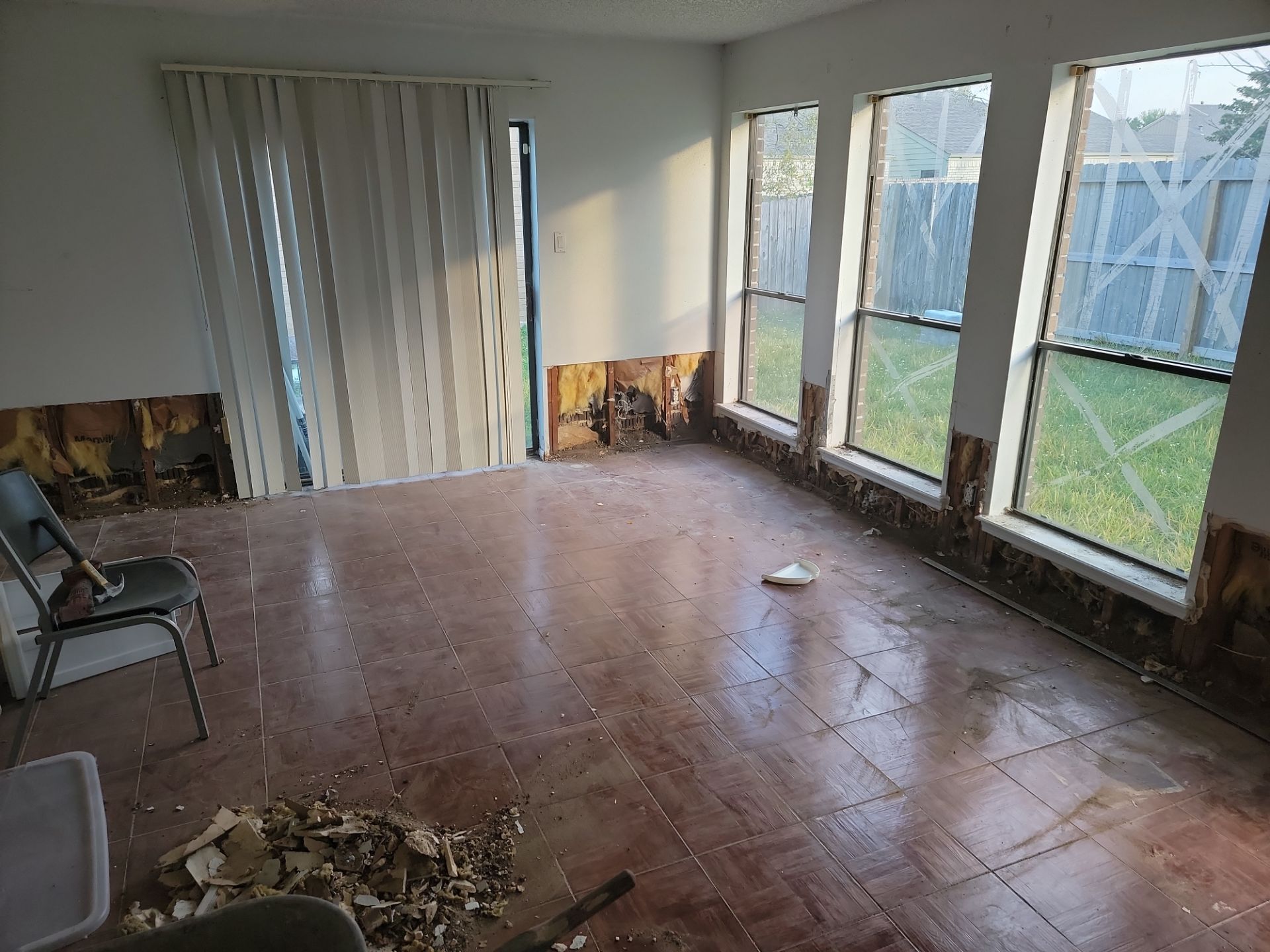
Water ruins walls.
Wet drywall loses strength.
Soggy sheetrock sags.
Edges crumble fast.
Fasteners can loosen too.
Hire a skilled drywall contractor houston.
Execute precise drywall repair houston.
Replace ruined panels.
Complete professional sheetrock repair houston.
Ensure framing is dry before installation.
Check studs for damage first.
Replace wet insulation as needed.
Secure new boards tightly.
Choose the right material.
Standard drywall works in dry rooms.
Use moisture-resistant drywall in wet areas.
Green board works well in many spaces.
Purple board adds stronger moisture resistance.
These options help in bathrooms and laundry rooms.
They also help near kitchens and utility zones.
Installation details matter.
Cut panels cleanly.
Stagger seams when possible.
Fasten boards at proper spacing.
Keep joints tight and even.
Then tape every seam carefully.
Apply joint compound in thin coats.
Let each coat dry fully.
Add more mud as needed.
Feather edges for a smooth blend.
Sand between coats.
Sand the final surface evenly.
Poor sanding shows through paint later.
Water damage often impacts wet rooms.
Plan upgrades during rebuilding.
Consider professional bathroom remodeling houston.
Update your layout.
Upgrade old fixtures.
Choose finishes that handle moisture better.
Kitchens suffer frequent leaks too.
Incorporate expert kitchen remodeling houston.
Replace damaged cabinets.
Install waterproof flooring.
Improve access to plumbing lines.
Restoring the Space With Painting
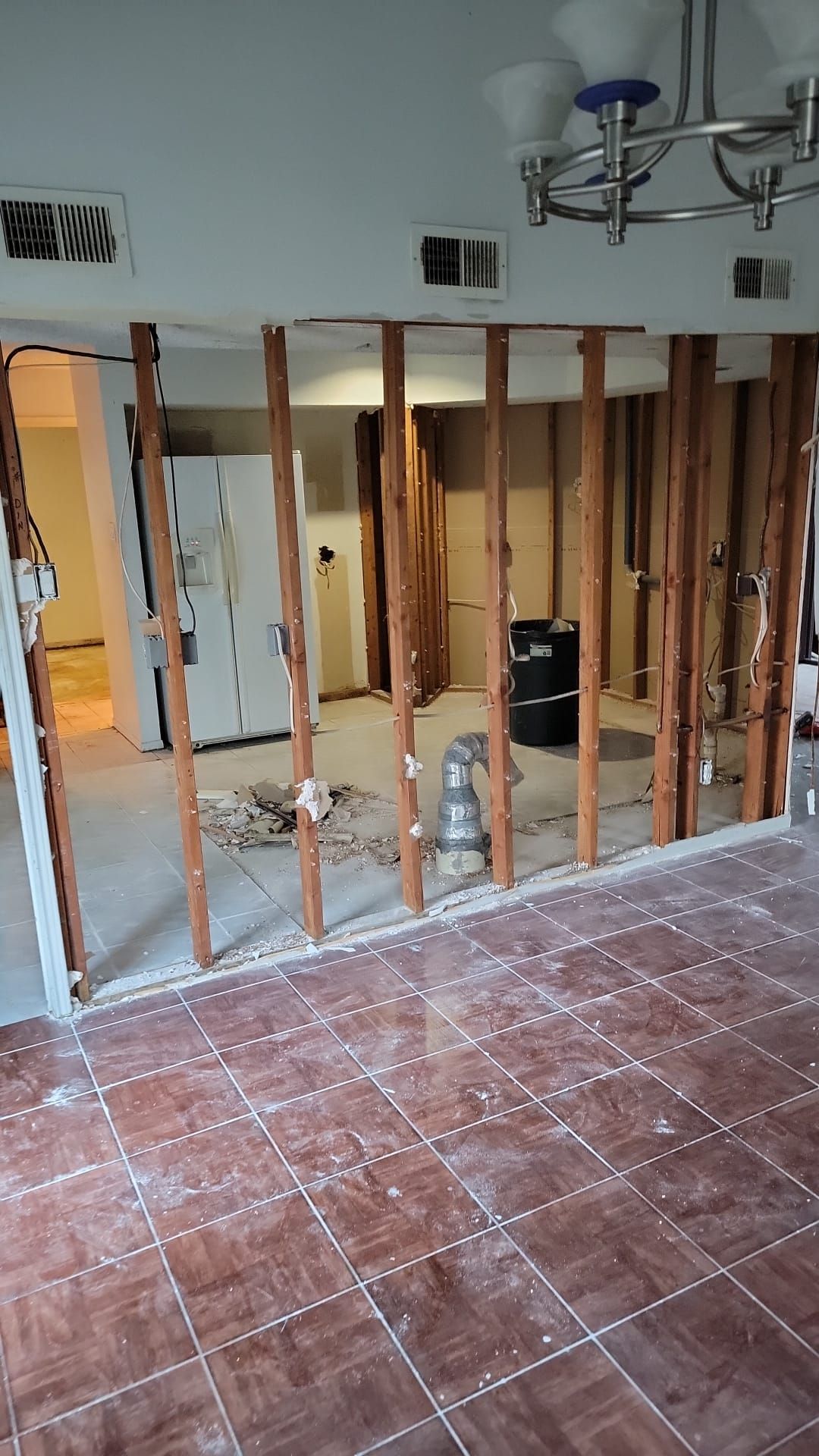
Walls require finishing after repairs.
New drywall needs primer.
Primer seals fresh compound.
Primer helps paint bond evenly.
Primer also blocks lingering stains.
Apply fresh coats carefully.
Choose the right sheen.
Eggshell works well in living areas.
It gives a soft low-shine finish.
Satin works well in hallways and family rooms.
It handles cleaning better.
Semi-gloss fits bathrooms, trim, and kitchens.
It resists moisture more effectively.
Higher-sheen paints also wipe down easier.
Hire an experienced painter houston.
Schedule professional interior painting houston.
Choose durable paints.
Match the room to the finish.
Seal surfaces against humidity.
Cut in lines cleanly.
Apply even coats wall to wall.
A fresh coat ties the restoration together.
It makes patched areas disappear.
It helps the room feel complete again.
Prevention Tips for the Future

Prevent the next loss early.
Track moisture before damage spreads.
Monitor indoor humidity year-round.
Keep an eye on damp rooms.
Check bathrooms, laundry rooms, and closets.
Watch areas near exterior walls.
Schedule regular plumbing inspections.
Check shutoff valves and supply lines.
Inspect water heaters for corrosion.
Review appliance connections yearly.
Ask about signs of slab leaks.
Maintain gutters and downspouts.
Clear debris before storm season.
Direct water away from foundations.
Check roof drainage after heavy rain.
Use water leak detection systems.
Install sensors near heaters and washers.
Place sensors below sinks too.
Add smart shutoff devices if possible.
Early alerts can reduce major repairs.
Protect Your Property Today
Water damage requires decisive action.
Partner with reliable professionals.
Let Plus8 Designs manage your project.
We handle water damage restoration houston from start to finish.
We also handle mold remediation houston, drywall repair houston, sheetrock repair houston, and interior painting houston.
Need bigger rebuild work.
Our team can support bathroom remodeling houston and kitchen remodeling houston too.
Do not wait for stains to spread.
Do not wait for mold to grow.
Do not trust a partial fix.
Call for a full plan.
Get inspection, drying, repairs, and rebuilding in one place.
Visit our Contact Us page.
Explore our Subcontractor Services.
Book your assessment with Plus8 Designs today.
Get your property restored now.
#waterdamagerestorationhouston #moldremediationhouston #drywallrepairhouston #interiorpaintinghouston #houstonhomeremodeling